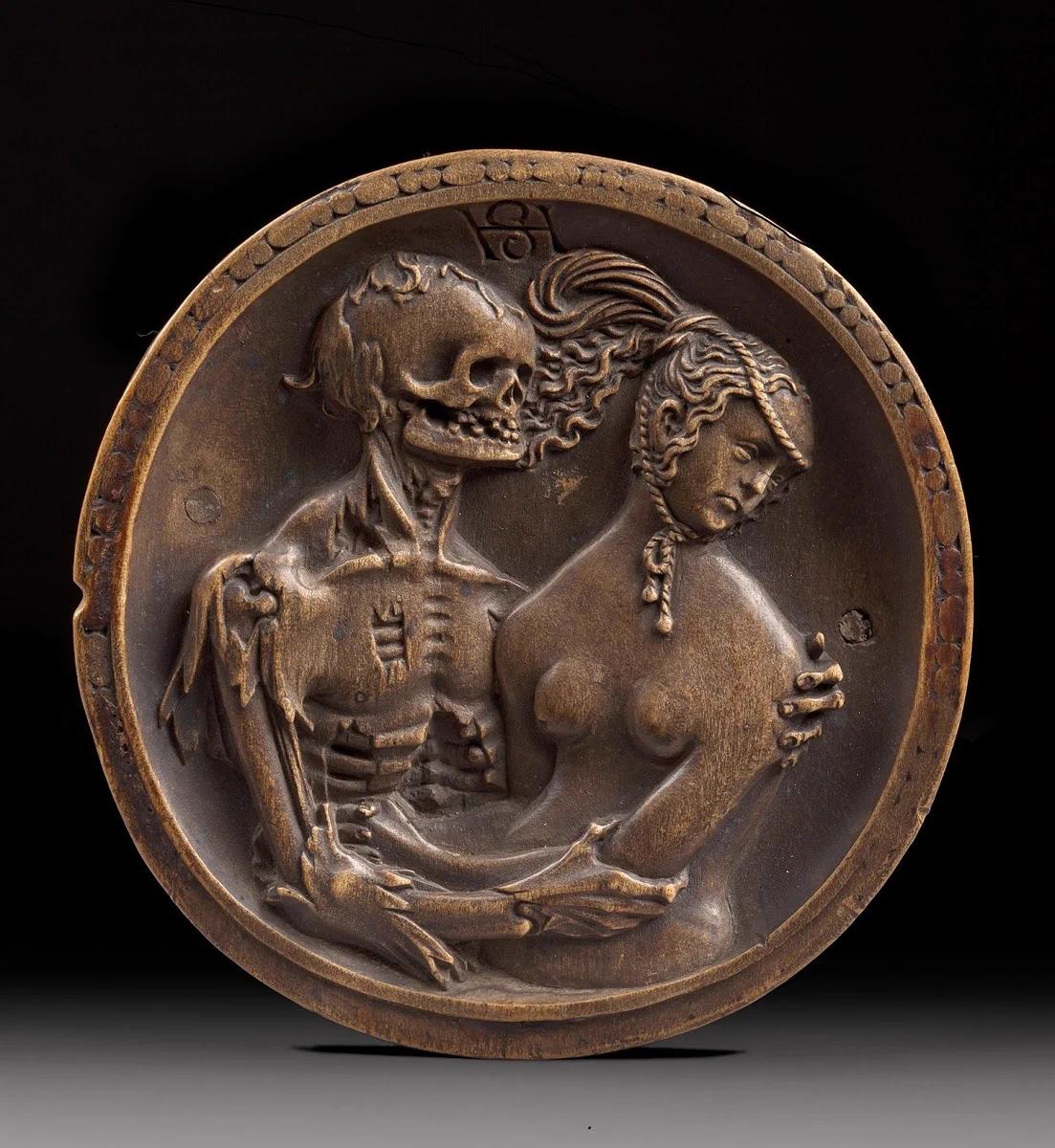
"Death and the Maiden" is a boxwood medallion carved by Hans Schwarz in 1520. Currently on display at the Bode Museum in Berlin. The motif of "Death and the Maiden" has its origins in late medieval and Renaissance art. This theme was particularly relevant during times of plague and war, when death was a constant presence.

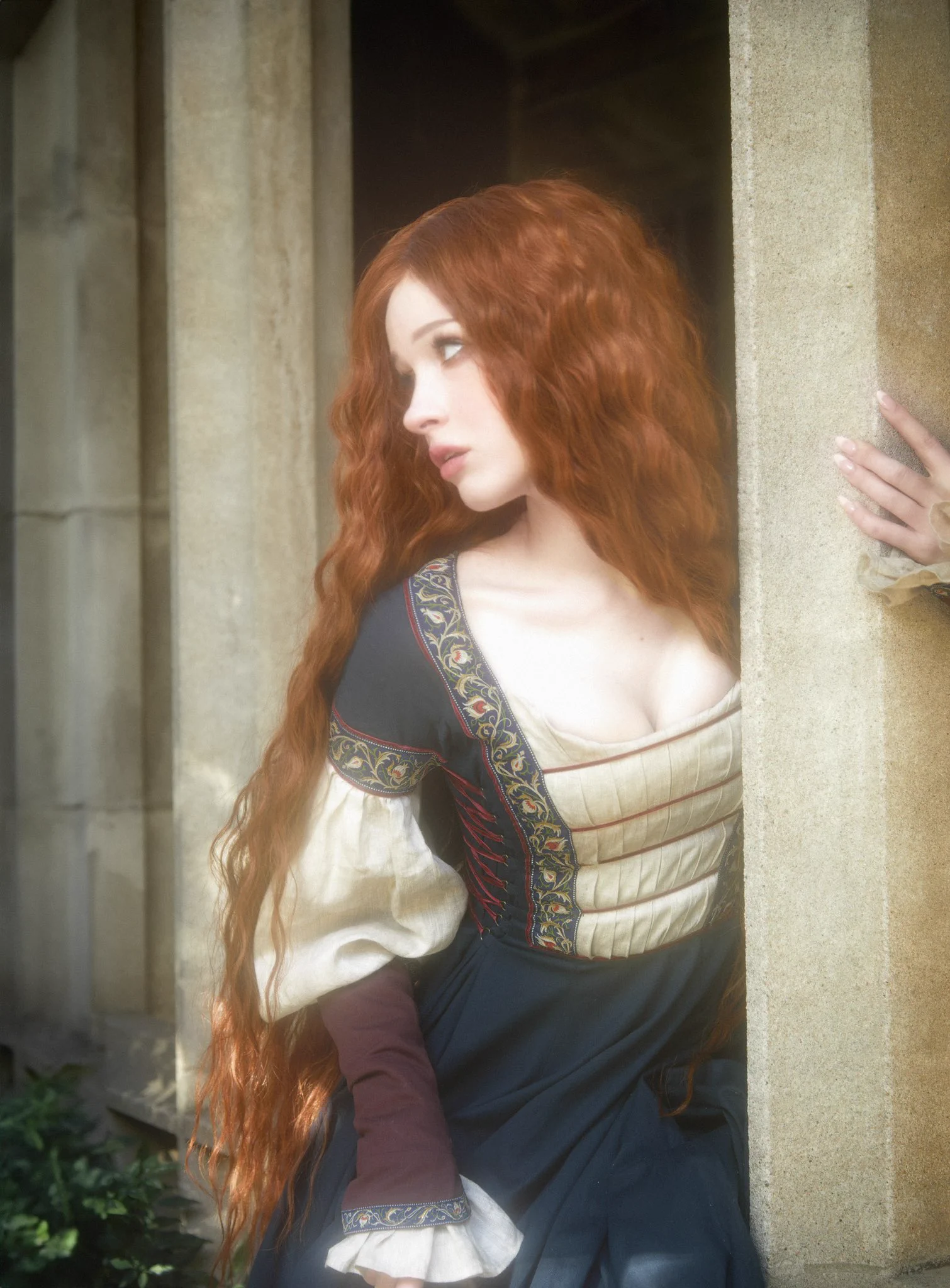
«I'm a piece of art just for you» I’d like to remind you that there is a new non-cosplay (casual look) tier! If you wanna see me without cosplay, huge welcome to my new tier 🧡 The HQ fully naked photoshoot is available on my Patreon page 💋 #photoshoot# #Renaissance#





So much fun today at the renaissance Festival!







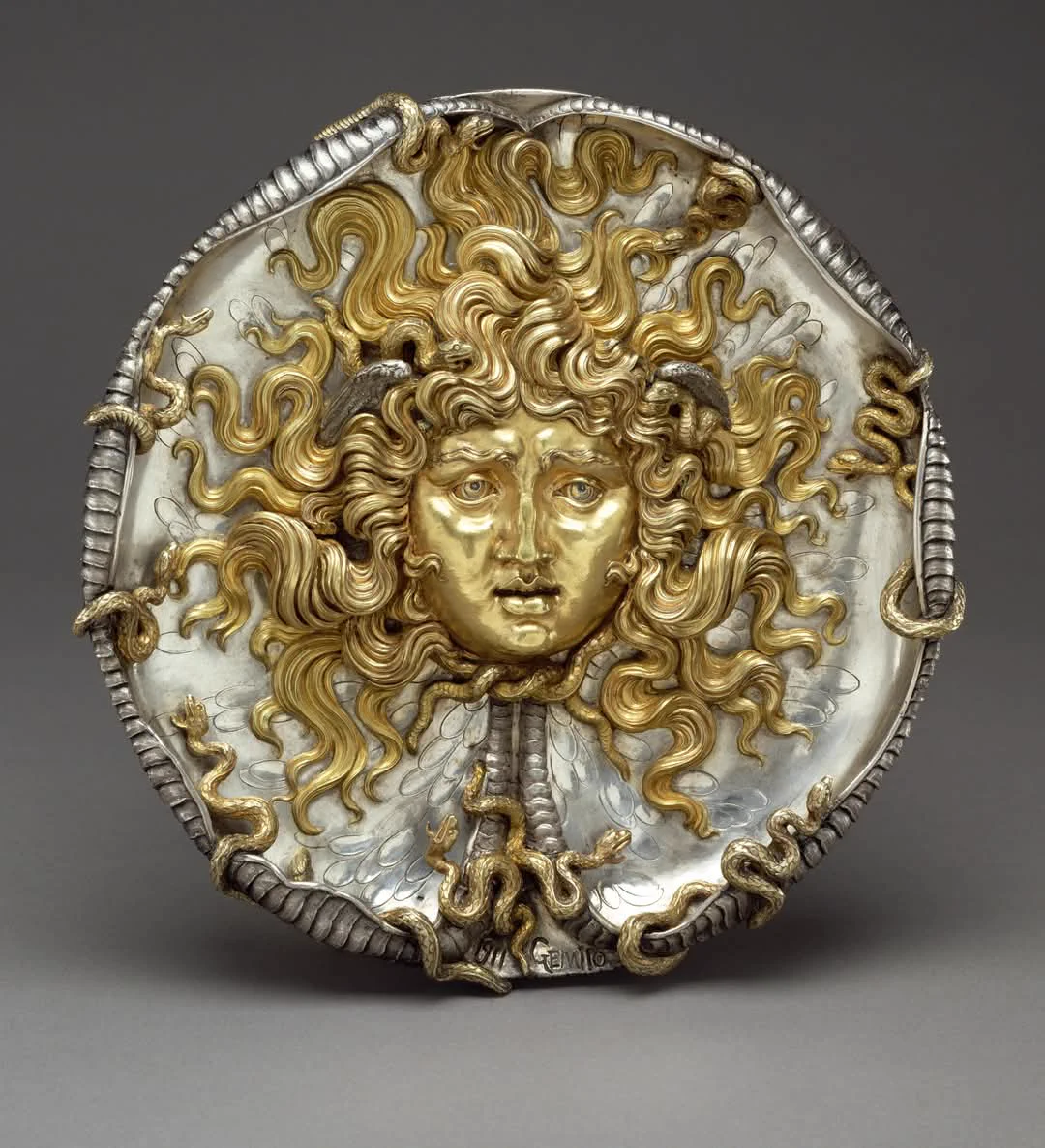
Medusa by Vincenzo Gemito (Italian, 1852-1929) : The severed head of Medusa stares out from convex face of a two-sided relief. Its psychological realism, simultaneously beautiful and hideous, reveals the conflicting yet symbiotic emotions of attraction and repulsion. This combination expresses the power of ancient Greek apotropaic objects, charms that warded off evil. Since the sight of Medusa's face transformed by the goddess Athena into a monster with snakes for hair had turned men into stone, it became a traditional apotropaic symbol. Athena affixed the actual Medusa's monstrous head to her shield, and human warriors followed suit. The sculptor Vincenzo Gemito derived his composition from the famous antique cameo, the Tazza Farnese, but transformed it into an entirely new kind of sculptural object. He revived Renaissance techniques of lost-wax casting to make the relief. Although he concentrated on the face of the two-sided, glistening metallic relief, he textured the back with snakeskin. The Getty Villa Museum #archaeohistories#



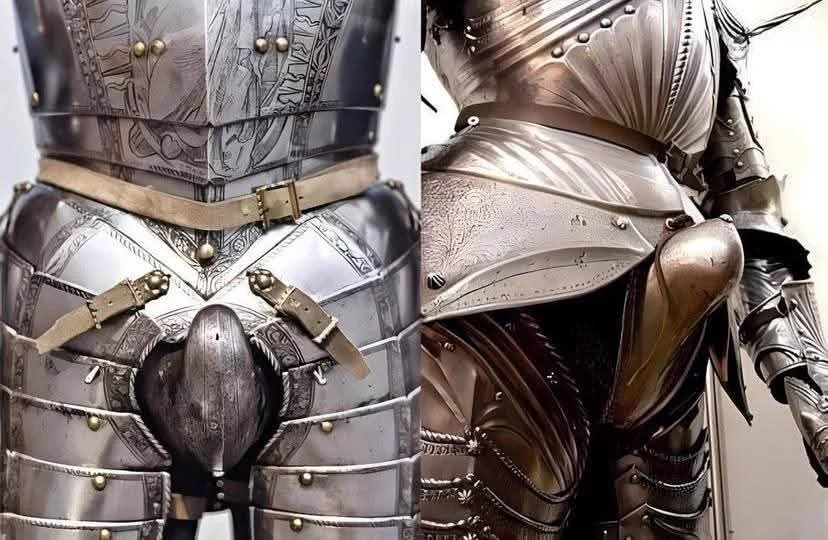
King Henry VIII’s suit of armor is a striking example of Renaissance craftsmanship, but it’s perhaps best known for one eye-catching feature: its exaggerated codpiece. Far more than just functional, this prominent addition was a bold statement of masculinity, power, and virility. In an era where image was everything, the codpiece served as a symbol of the king’s strength and dynastic ambitions. Crafted from steel and often ornately decorated, it reflected both the fashion of the time and Henry’s desire to project an imposing persona. This iconic armor remains a fascinating artifact, offering insight into the intersection of politics, fashion, and propaganda in Tudor England. Ultimately, it stands as a powerful reminder of how rulers used even their attire to shape their legacy. #drthehistories#